The fashion industry is often defined by runway shows and exquisite magazine spreads, yet behind the glamour lies an indispensable core link that embodies ultimate craftsmanship and skill—the production process of handbags. From the initial design concept to the final finished product, every handbag is forged through intricate and refined procedures, with rigorous control and professional management throughout the entire process, ultimately creating a fine product that combines aesthetic design and practical functionality.
Every handbag is crafted with great care by experienced artisans from start to finish, with numerous little-known intricate details and exquisite techniques hidden behind it. Every finished product we see is a masterpiece polished through multiple layers of procedures.
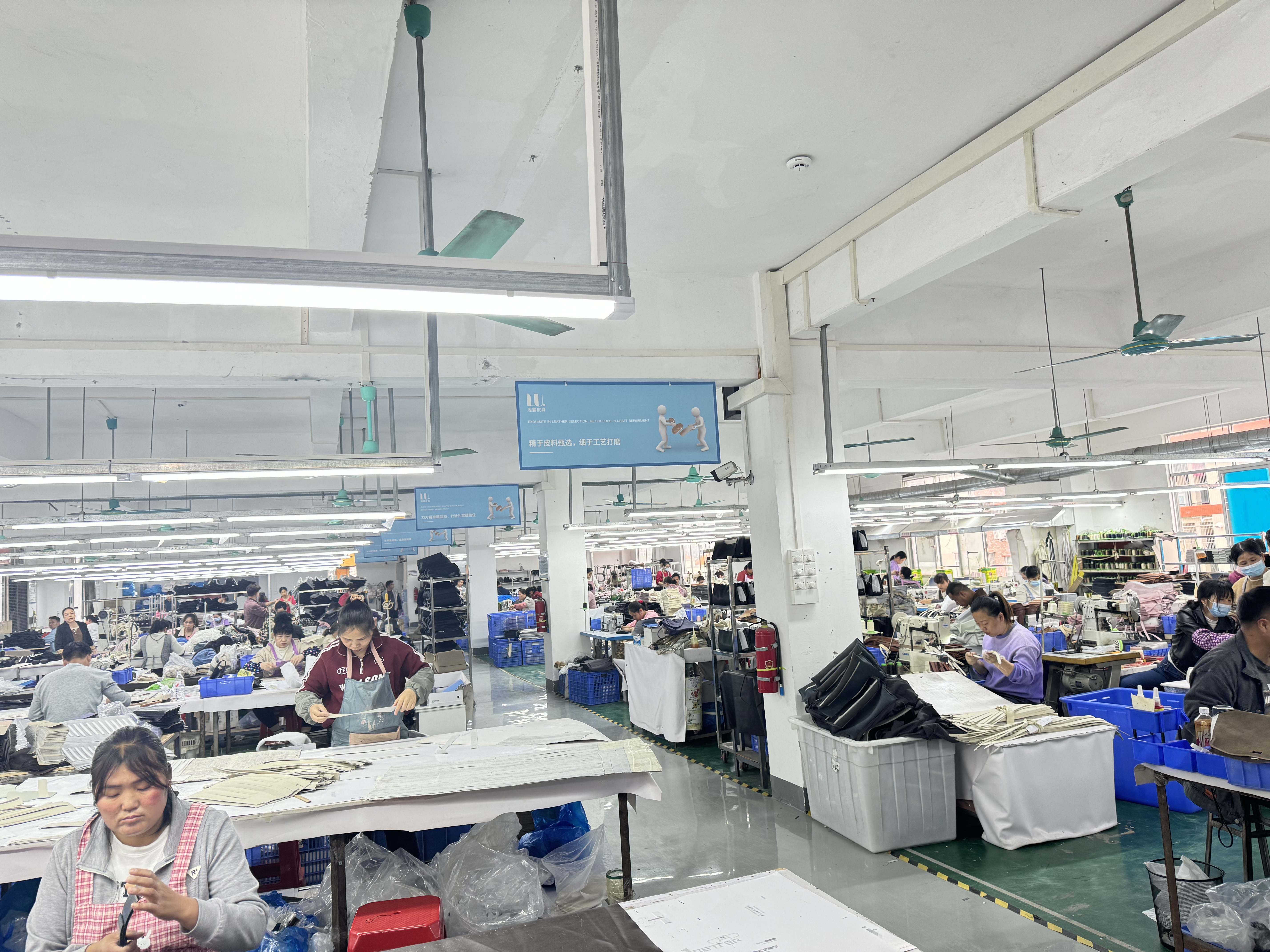 I. Sample Making
Before official mass production, sample development is a core link that lays the foundation for product quality and a key step in transforming design concepts into physical objects, mainly including the following five processes:
1. Design Inspiration Conception
The research and development of new products each season begins with the designer's inspiration conception. Designers draw creative inspiration from the little things in life, integrate diverse ideas, and create a new product series in line with the brand's tone, highlighting product features through a series of design languages. This process is an extreme test of the designer's overall planning ability and series layout thinking, laying a solid design foundation for the subsequent product formation.
2. Pattern Making
Handbag pattern making is a professional technical work with extremely high precision requirements, which needs to accurately measure various dimensions according to the material characteristics and structural design of the handbag. Based on the design drawings or physical samples provided by customers, pattern designers divide each component of the handbag into flat paper patterns one by one with cardboard. This paper pattern is the core reference standard for subsequent leather cutting and process production. Later, as long as the leather is cut according to the shape of the paper pattern, and then processed through surface treatment, sewing and other processes, a handbag sample that meets the design requirements can be made.
3. Material Selection
Most people do not know that the first step in bag design is not drawing blueprints or selecting styles, but material selection, which is a key link that determines the texture and design presentation of handbags. Material is the core soul of a bag. A suitable material can fully express the design concept, and even a simple design can highlight a high-grade texture with high-quality materials. On the contrary, improper material selection, such as making a structured bag with soft lychee-patterned cowhide, will make it difficult to achieve the shape effect expected by the designer. Therefore, choosing the right material is the primary prerequisite for handbag design and production.
4. Precision Cutting
Cutting is a crucial process in handbag production, which directly affects the overall effect of the final finished product. Relying on years of practical experience, artisans accurately cut according to the grain direction of the material. The strength and angle of each cut test their technical skills. At the same time, the precision of cutting is also highly dependent on the scientific layout of the previous paper patterns, striving to achieve efficient use of raw materials while ensuring the consistency of leather grain and version.
5. Hardware Assembly and Sewing
Bag hardware is an important accessory for handbag production, covering all kinds of small metal accessories needed in handbag production, and is the key to improving the practicality and aesthetics of handbags.
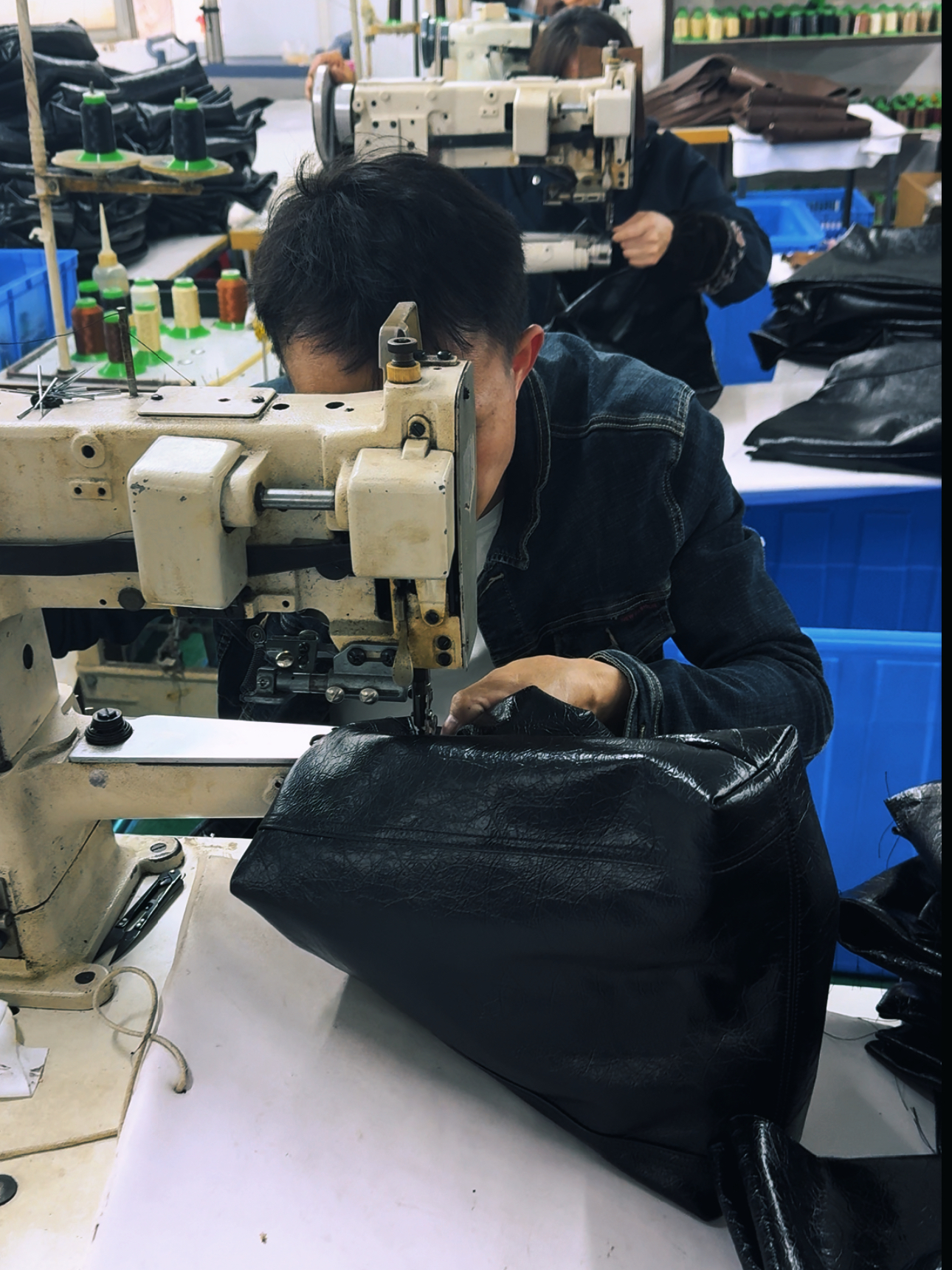
After hardware assembly, the sewing process begins, which is the core step to assemble scattered leather cut pieces into a complete shape. This link needs to be completed by combining a variety of processes and equipment, including the use of professional sewing machines such as cylinder bed sewing machines and flat bed sewing machines, as well as manual sewing processes such as edge trimming. The precise cooperation of various processes makes the designer's design concept gradually take shape. Every stitch condenses the artisan's painstaking efforts and exquisite skills.
After the handbag sample is made, we will conduct a comprehensive inspection on the physical object, visually verify the rationality of the design details, the actual use function and the overall texture of the product, and optimize and adjust according to the inspection results until the sample meets the design and use requirements.
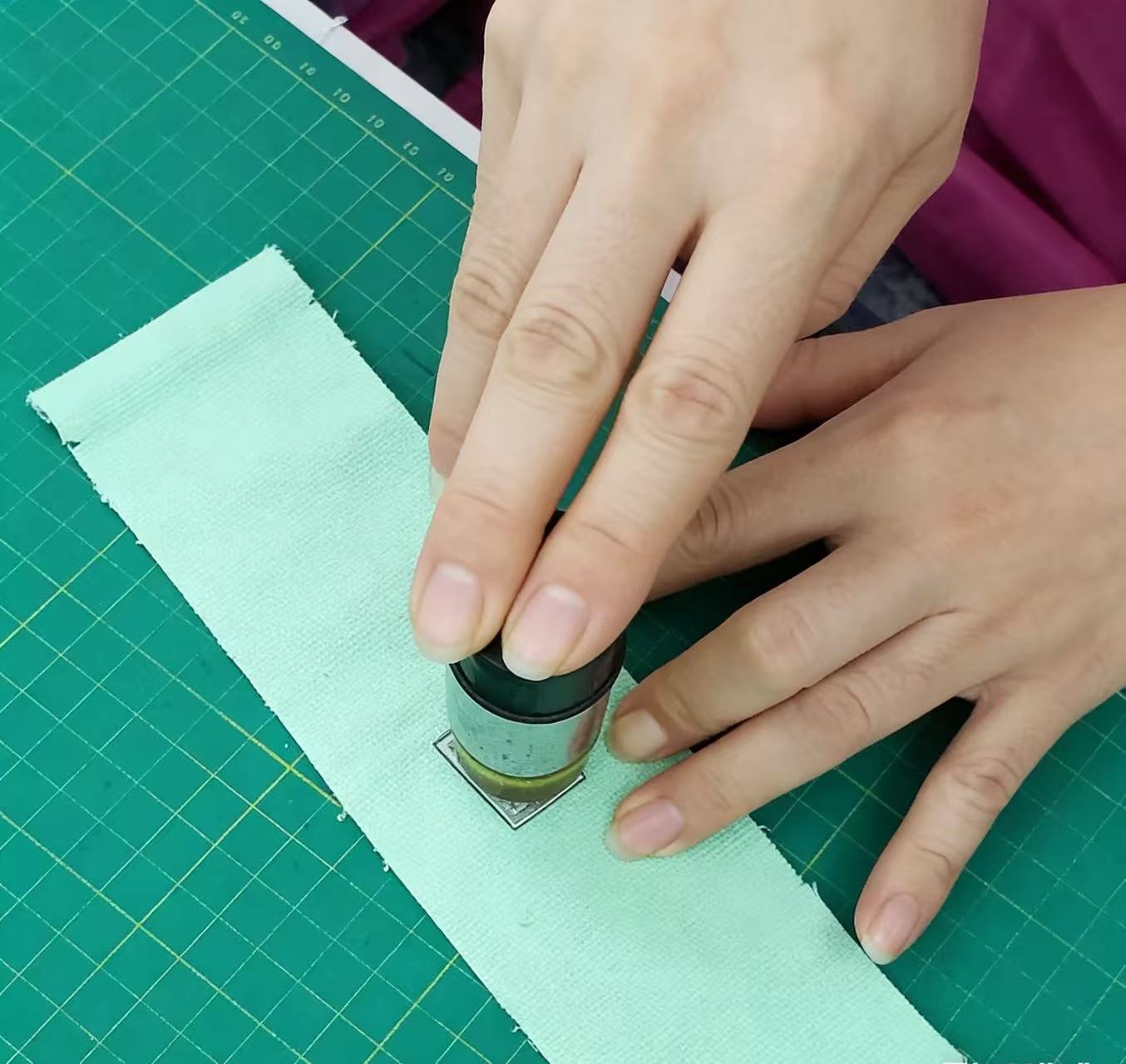
II. Mass Production
After the sample is confirmed by the customer, the handbag production officially enters the mass production stage, following a standardized and refined production process throughout to ensure the consistent quality of each batch of finished products, mainly including the following six steps:
1. Bulk Material Procurement and Quality Inspection
According to the demand of mass production orders, bulk purchase of various materials such as leather, hardware and lining required for production is carried out. After the purchase is completed, a professional quality inspection team is arranged to conduct a comprehensive and strict quality inspection on all materials, check the specifications, quality, color and other indicators of the materials one by one, ensure the consistent quality of the materials, fully meet the design and production requirements, and control the product quality from the source.
2. Material Preprocessing and Cutting
The qualified materials are accurately cut to the design size according to the paper pattern standard determined in the early stage. Adhesives are applied to the materials as required according to the process requirements. At the same time, the edges of materials such as leather are professionally oiled, and basic hardware accessories are installed, so that the edges of the materials present a neat and exquisite effect, and full preparation is made for subsequent sewing and assembly.
3. In-process Quality Inspection
This is a key quality inspection node in the mass production process. In-process inspection is carried out in the core link of sewing and assembly to timely find problems such as version deviation, irregular sewing and improper accessory assembly that may occur in the production process, and rectify and optimize them in the first time, avoid problems remaining in the subsequent links, effectively reduce the later rectification cost, and ensure the production progress and product quality.
4. Sewing and Assembly
This is the core link of mass forming of handbags. Experienced artisans operate in accordance with standardized processes throughout the whole process, including a series of fine and standardized production steps: sewing handbag lining, accurately sewing brand labels and hang tags, installing structured components such as boning to ensure the shape of handbags, splicing front pockets and flaps, sewing velcro, edge wrapping treatment for edges, splicing bag body patches, sewing side pockets and shoulder straps, and accurately installing zippers and buttons. Every step is strictly controlled to ensure the stable structure and exquisite details of the handbag.
5. Final Finished Product Quality Inspection
This is the last quality inspection checkpoint before the product leaves the factory. A professional quality inspection team is set up to conduct a comprehensive and all-round quality inspection on each finished handbag, check the version, process, accessories, texture and other dimensions one by one, ensure that each finished handbag meets the stringent quality standards, and only the products that pass the inspection can enter the subsequent packaging link.
6. Packaging and Shipping
As the final link of production, we will carefully package the finished handbags that have passed the inspection, do a good job in scratch-proof, pressure-proof, moisture-proof and other transportation protection treatments according to the product characteristics, ensure that the handbags are not damaged during transportation, and then accurately and timely deliver the products to customers all over the country according to the customer's requirements.
The production process of handbags is a perfect integration of fashion and craftsmanship, which confirms the craftsmen's perseverance and professional skills of practitioners in the industry. From the initial inspiration conception to the final finished product coming out, every link and every process is an exquisite balance between aesthetic art and technological precision. We always polish every handbag with great care and build quality with professionalism.


